Walk Norbourne Boulevard on any weekday evening and you will pass more benches than storefronts. Dogs pull toward the shade. Strollers roll under a canopy that has had close to a century to fill in. It is the kind of block that makes people slow down, and most of the people slowing down assume some homeowners association or Metro Louisville crew is quietly keeping it that way.
Neither is true. Norbourne Estates is not a subdivision with a board. It is a home rule-class city, incorporated in its own right, with its own council, its own clerk, and its own budget line for the trees overhead. Right now, the volunteer committee that decides what gets planted, pruned, or removed on those streets has two open seats.
That is the part almost nobody who lives here talks about, and it is worth understanding before the next round of decisions gets made by whoever happens to raise a hand.
A City Small Enough to Know by Name
Norbourne Estates counts roughly 447 residents, according to Niche's community data. That is a population you could seat in a single school gymnasium, and yet it comes with the full apparatus of municipal government: an elected council, a clerk's office, standing committees, and a contract with Waste Management for trash pickup.
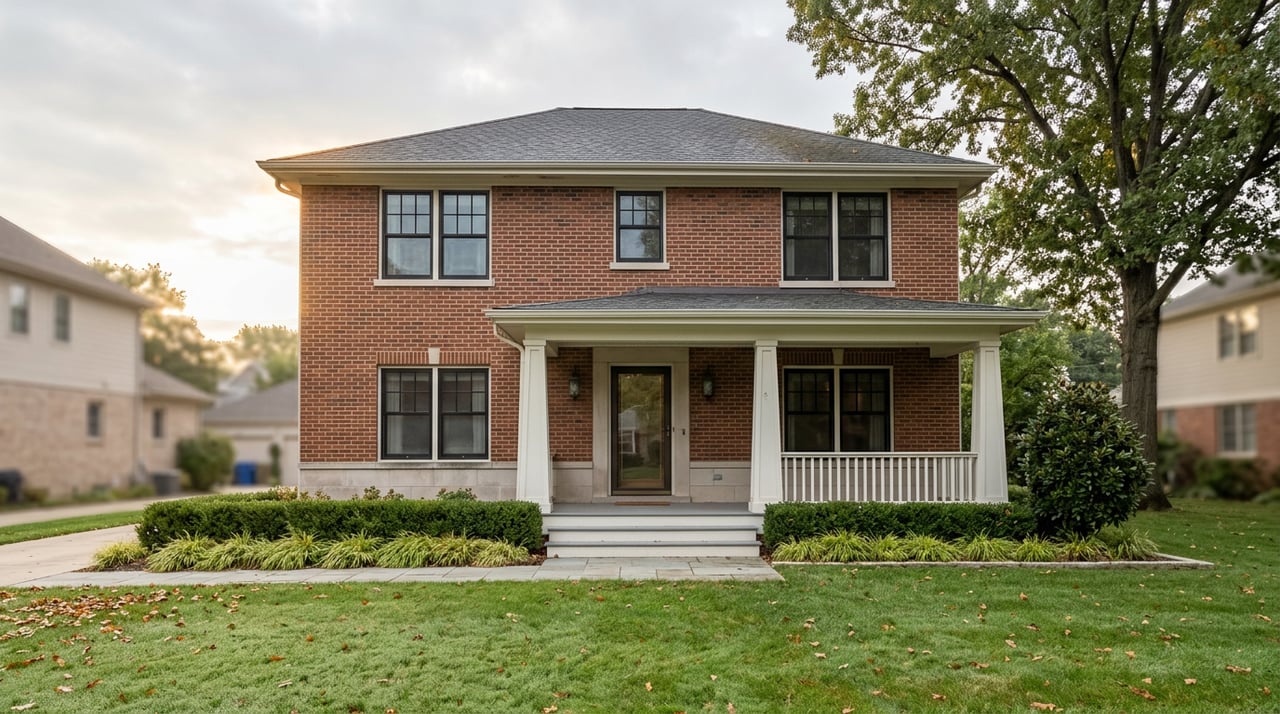
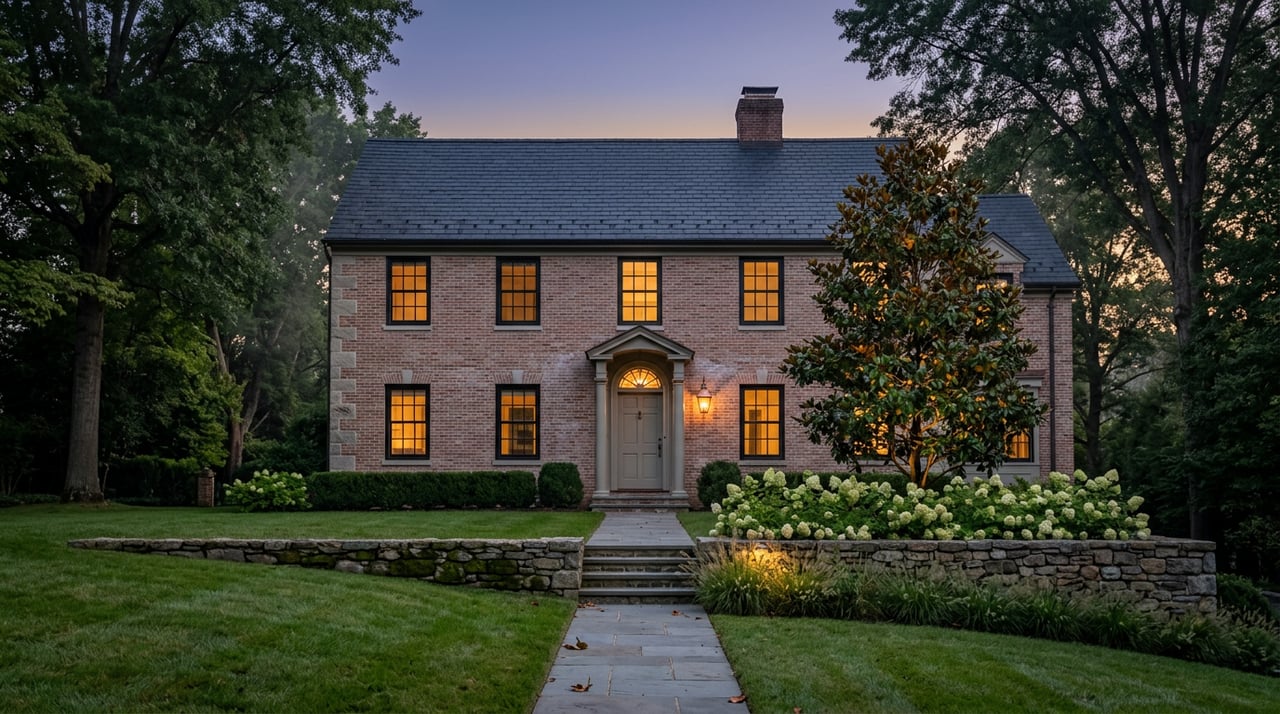
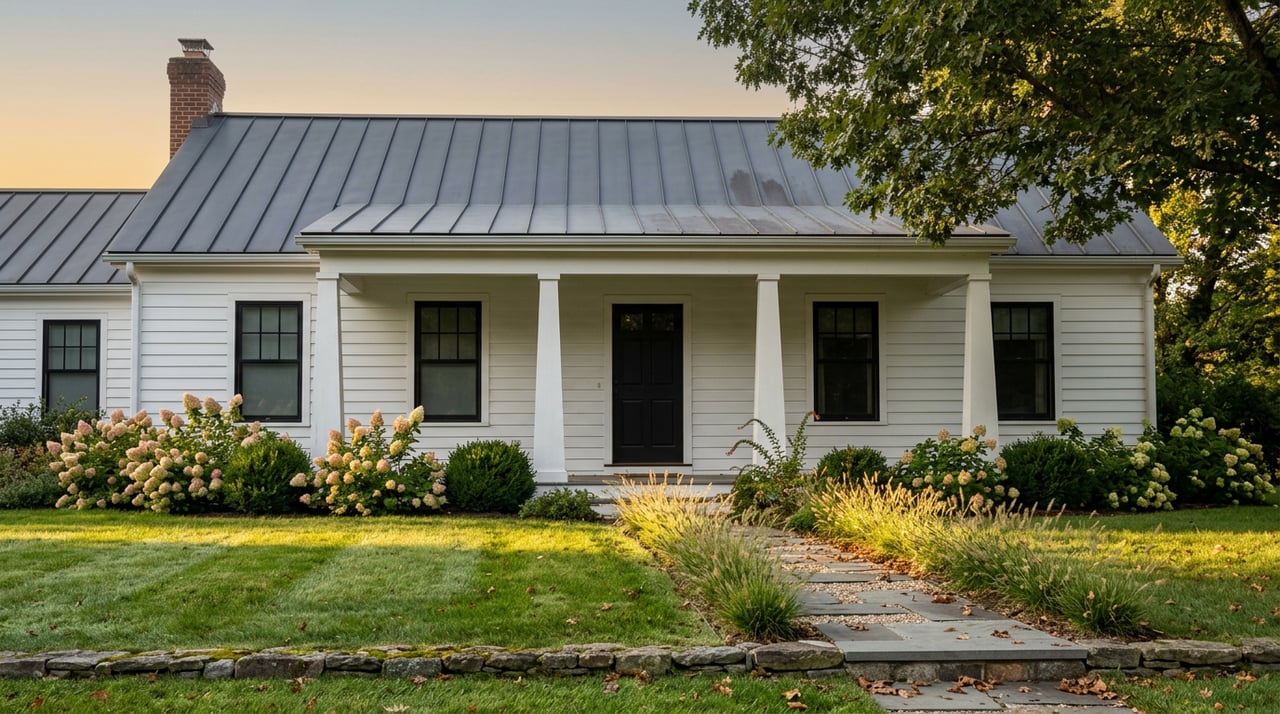
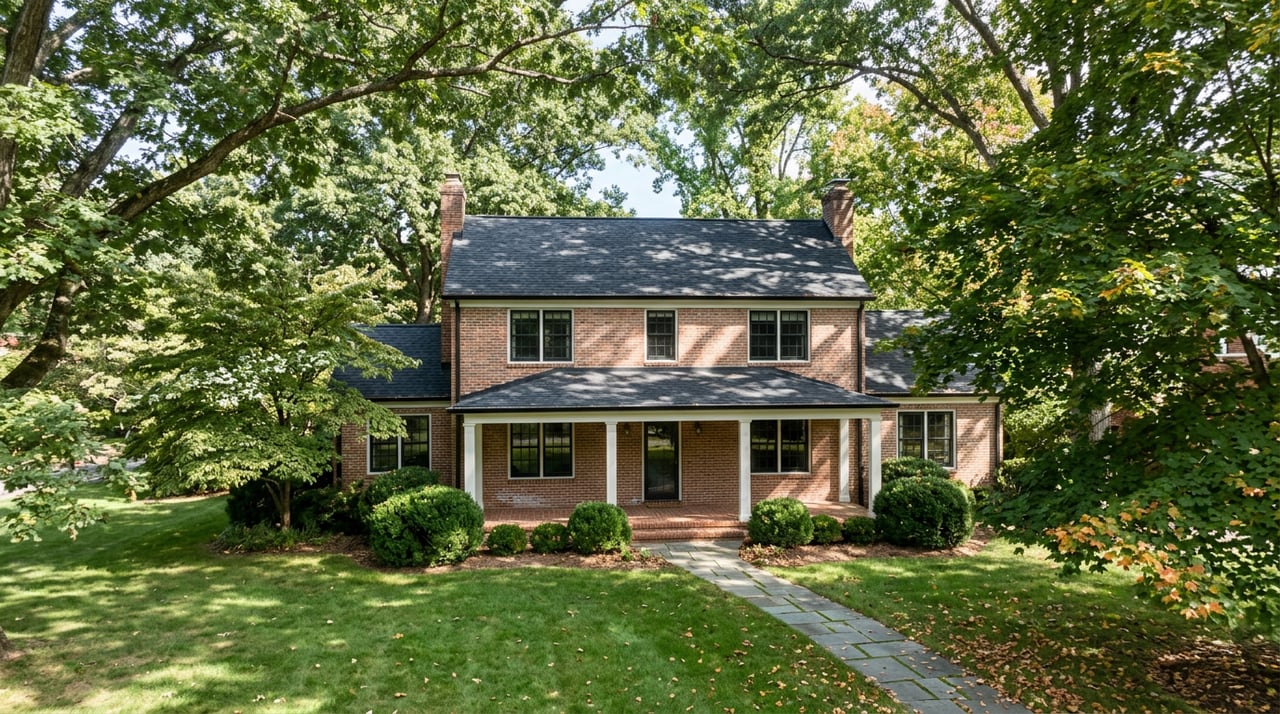
The city sits between Breckenridge Lane and Browns Lane, just south of Shelbyville Road, close enough to St. Matthews' shops and restaurants that most visitors never clock the moment they cross from unincorporated Louisville into an actual separate municipality. Construction here dates to the 1930s and 1940s, and the cape cods, traditional two-stories, and colonial-style homes built during that stretch are why the streets carry the settled, tree-heavy look people associate with the neighborhood today.
Small governments run on a handful of people doing a lot of unpaid work, and Norbourne Estates is a clean example of what that looks like in practice.
The Volunteers Who Decide What You Walk Under
The city's Tree Committee is not a symbolic title. According to the city's own site, the committee works directly with a City Arborist to oversee the urban forest, and it makes the actual recommendations to City Council on planting, care, and removal. In a city this size, that committee is effectively setting policy for the single feature every resident and every visitor notices first.
Right now the city is advertising two vacancies on that committee. That is not a footnote. In a municipality of 447 people, two empty seats on the body that shapes tree policy is a meaningful share of the decision-making structure sitting open. Whoever fills them, or whoever simply keeps showing up in their absence, has an outsized hand in what the next decade of Norbourne's canopy looks like.
It is a useful reminder that the atmosphere people love about a place like this is rarely an accident of nature. It is the output of a process, and right now that process is understaffed.
The Rest of the Government Fits on One Page
The city's council meets the second Tuesday of every month at 6 p.m., held at St. Matthews City Hall rather than a building of its own, another small-city detail that surprises people who assume incorporation means a standalone office.
The clerk's role has had remarkable continuity. Jerry Brown was appointed clerk on May 1, 2010, stepping in after Susan Franznick's resignation following eleven years in the position. Brown has been reappointed in successive even-numbered years since, meaning the person answering resident questions and processing property tax bills for Norbourne Estates has held the job for a decade and a half.
That kind of tenure matters in a city this size. It means institutional memory does not reset every election cycle, and it means new residents get pointed to someone who has actually seen the last several rounds of tree decisions, budget cycles, and committee turnover play out.
Trash Day, Bows, and Two Facebook Pages
Some of the most useful information for anyone living here is the least glamorous, and it is worth stating plainly because the city's own resources spell it out clearly:
- Trash collection runs every Monday under the city's contract with Waste Management, with recycling and yard waste picked up every other Monday.
- Downed trees blocking a street are a call-911-then-notify-the-mayor situation. Downed trees inside Norbourne's park are routed to city officials directly.
- Stormwater or standing water issues go to Louisville MSD, not the city itself.
The city also maintains two separate Facebook presences, and the distinction is worth knowing. The official City of Norbourne Estates page is administered by city officials and carries formal municipal information. A second page, run by residents rather than the government, carries the broader mix of neighborhood posts, lost pets, recommendations, and the kind of chatter that does not belong on an official municipal channel. New residents who only find one of the two are missing half the conversation.
The Party That Runs Without City Hall
Not everything in Norbourne Estates flows through the council chamber. The city's holiday gathering is a resident-organized event, not a municipal one, and last December's edition was a case study in how that works. The Pop Up Christmas Party was hosted by the McCombs family, new to the neighborhood, at their home on St. Ives Court, with brunch, treats, and mimosas kicking off the season. Longtime resident Kathleen Mandlehr coordinated the headcount for the gathering, and the event doubled as an introduction for the McCombs to their new neighbors.
The decorating itself fell to a volunteer group residents call the Norbourne Elves, who hung bows throughout the city for the holidays. It is a small detail, but it says something true about how this particular city actually functions. The government handles zoning, trees, and trash contracts. The neighbors handle everything that makes a city feel like a place you would want to come home to.
What This Actually Means If You Live Here
None of this changes anything about property values or market timing, and that is precisely the point. The tree canopy that makes Norbourne Estates feel the way it does is not weather or luck. It is the output of a specific, small, currently understaffed committee operating inside a city most of its own residents do not fully realize they are citizens of.
If you have ever wondered who to thank for the maples along your street, or who decided a particular oak needed to come down last year, the answer is not an anonymous city department downtown. It is a handful of your actual neighbors, working through a formal committee structure, with two seats open right now for anyone who wants a direct hand in it.
That is a more interesting fact than most neighborhood trivia, because it comes with an invitation attached. In a city of 447 people, showing up is not a symbolic gesture. It is close to the entire mechanism.
If you are curious how Norbourne Estates fits into the broader Louisville and Southern Indiana market, or you have questions about a property in the area, Brad Noe and the Noe Group are always glad to talk through what makes this pocket of St. Matthews work, tree committee included. Contact Us anytime.